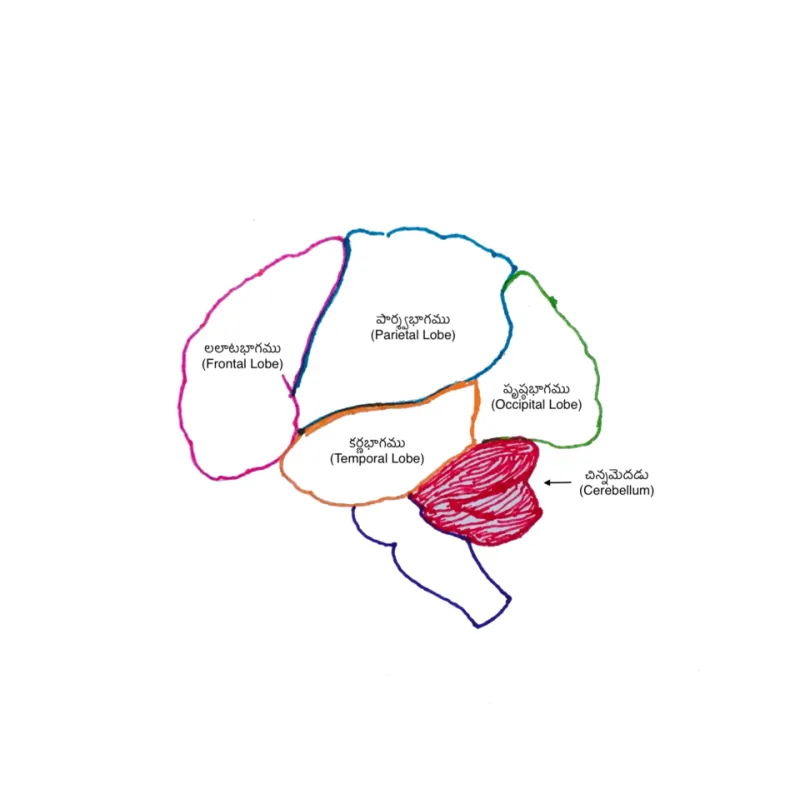
Modafinil in Post-Viral Fatigue and Cognitive Fog: Parsing the Evidence From Promise to Proven
Photo: Drayton, H. S. (Henry Shipton), 1840-1923; McNeill, James, 1846-1916, No restrictions, via Wikimedia Commons
The landscape of post-viral illness research has changed dramatically since 2020. What was once a niche clinical concern—cognitive and fatigue sequelae following viral infection—has become a public health issue affecting an estimated 10 to 30 percent of individuals who contract SARS-CoV-2. Neurological long COVID, characterized by persistent brain fog, impaired concentration, and debilitating fatigue lasting months to years after acute infection, has generated urgent demand for pharmacological interventions. Among the agents being explored, modafinil occupies an intriguing position: a wakefulness-promoting drug with a relatively favorable safety profile, already approved by the FDA for narcolepsy, shift work sleep disorder, and obstructive sleep apnea-related sleepiness, and now being applied off-label to conditions that share certain surface-level similarities with its approved indications.
But surface-level similarity is not the same as mechanistic alignment. The central question for clinicians is whether the evidence actually supports modafinil's use in these emerging contexts—or whether its deployment reflects therapeutic optimism outpacing the science.
Understanding the Pathophysiology of Post-Viral Cognitive Dysfunction
Before evaluating any pharmacological intervention, it is worth briefly contextualizing what post-viral cognitive impairment actually represents at the neurobiological level, because the pathophysiology is almost certainly heterogeneous. Research published in peer-reviewed journals including Nature Neuroscience and Cell has implicated several overlapping mechanisms in long COVID neurological symptoms: persistent neuroinflammation mediated by activated microglia, disruption of the blood-brain barrier, mitochondrial dysfunction, dysregulation of the renin-angiotensin system, and serotonin pathway depletion secondary to viral antigen persistence in gut tissue.
Myalgic encephalomyelitis/chronic fatigue syndrome (ME/CFS), which predates COVID-19 and shares substantial symptomatic overlap with neurological long COVID, is similarly characterized by neuroinflammatory findings on PET imaging, abnormal cytokine profiles, and autonomic nervous system dysregulation. This mechanistic complexity matters enormously when evaluating modafinil as a candidate intervention, because modafinil primarily addresses one dimension of these conditions—arousal and dopaminergic signaling—while leaving neuroinflammation, mitochondrial function, and autonomic dysregulation largely untouched.
What the Clinical Evidence Actually Shows
The evidence base for modafinil in post-viral fatigue and cognitive impairment is best described as promising but preliminary, with a notable imbalance between small exploratory studies and the larger randomized controlled trials that would justify confident clinical recommendations.
In the context of ME/CFS, modafinil has been evaluated in a small number of trials. A double-blind, crossover pilot study published in the early 2000s found that modafinil significantly reduced fatigue severity scores and improved self-reported cognitive functioning compared to placebo in ME/CFS patients. However, the sample size was modest, and the study was not adequately powered to detect differential effects across ME/CFS subtypes—a clinically important distinction given the condition's heterogeneity.
For neurological long COVID specifically, the evidence is even earlier-stage. As of the most recent literature review, no large-scale randomized controlled trial has been completed examining modafinil as a primary intervention for long COVID cognitive symptoms. Several ongoing trials registered with ClinicalTrials.gov include modafinil as an arm within broader pharmacological investigations, but results are not yet available. What exists primarily consists of retrospective case series, clinician-reported outcomes from long COVID specialty clinics, and patient-reported outcomes data from community surveys—all of which suggest meaningful symptom improvement in a subset of patients, but none of which constitute Level I evidence.
A 2023 case series from a university-affiliated long COVID clinic in the northeastern United States described a cohort of 47 patients prescribed low-dose modafinil (100 mg daily) for cognitive fog and fatigue. Approximately 60 percent reported subjective improvement in mental clarity and work capacity at eight weeks, with the most pronounced benefits observed in patients whose predominant symptom was fatigue rather than pain or autonomic instability. Adverse effects were generally mild and consistent with the drug's known profile. While encouraging, case series are vulnerable to selection bias, placebo response, and the natural trajectory of symptom resolution over time.
Modafinil's Specific Utility: Symptom Management, Not Disease Modification
Perhaps the most important conceptual clarification for clinicians considering modafinil in this context is distinguishing between symptomatic management and disease modification. There is no credible evidence that modafinil addresses the underlying neuroinflammatory, mitochondrial, or immunological mechanisms implicated in post-viral fatigue. What it may offer is a pharmacological bridge—a means of improving functional capacity and quality of life while the underlying condition either resolves spontaneously or is addressed by more targeted future therapies.
This framing has direct implications for patient counseling. Patients who understand modafinil as a tool for managing functional impairment rather than treating the root cause are better positioned to evaluate its utility, recognize its limitations, and make informed decisions about continuation or discontinuation. Conversely, patients who perceive it as curative may be disappointed by partial responses and may delay pursuing other evidence-based interventions such as pacing strategies, cognitive rehabilitation, and emerging immunomodulatory approaches.
Autonomic Considerations and the Post-Exertional Malaise Caveat
One clinical concern specific to ME/CFS—and increasingly recognized in long COVID—is post-exertional malaise (PEM): the characteristic worsening of symptoms following physical or cognitive exertion that exceeds an individual's energy envelope. This phenomenon has significant implications for stimulant use.
There is a legitimate concern, noted by ME/CFS specialists and some long COVID clinicians, that modafinil may mask the early warning signals of approaching PEM, allowing patients to push beyond their physiological limits before the crash occurs. While this has not been studied rigorously in controlled settings, it represents a biologically plausible risk that warrants discussion in clinical practice. Prescribers working with PEM-prone patients should establish clear monitoring frameworks and educate patients about the distinction between feeling more alert and having genuinely increased physiological capacity.
Where the Evidence Stands: A Calibrated Assessment
For clinicians seeking a calibrated summary: modafinil shows reasonable biological plausibility and early-stage clinical signal as a symptomatic intervention for post-viral cognitive impairment and fatigue. The existing evidence—largely drawn from ME/CFS research and preliminary long COVID case series—is insufficient to support routine prescription but is sufficient to justify individualized off-label use in carefully selected patients when functional impairment is significant and other interventions have been inadequate.
The field urgently needs adequately powered, placebo-controlled trials stratified by symptom subtype and biomarker profile. Until that evidence exists, prescribing modafinil for these indications requires transparency with patients about the evidentiary limitations, attentive monitoring for both benefit and harm, and a commitment to revisiting the decision as the literature matures.
The promise is real. So is the uncertainty. Both deserve an honest place in the clinical conversation.