Rethinking ADHD Pharmacotherapy: The Clinical Case for Modafinil as a First- or Second-Line Option in Adults
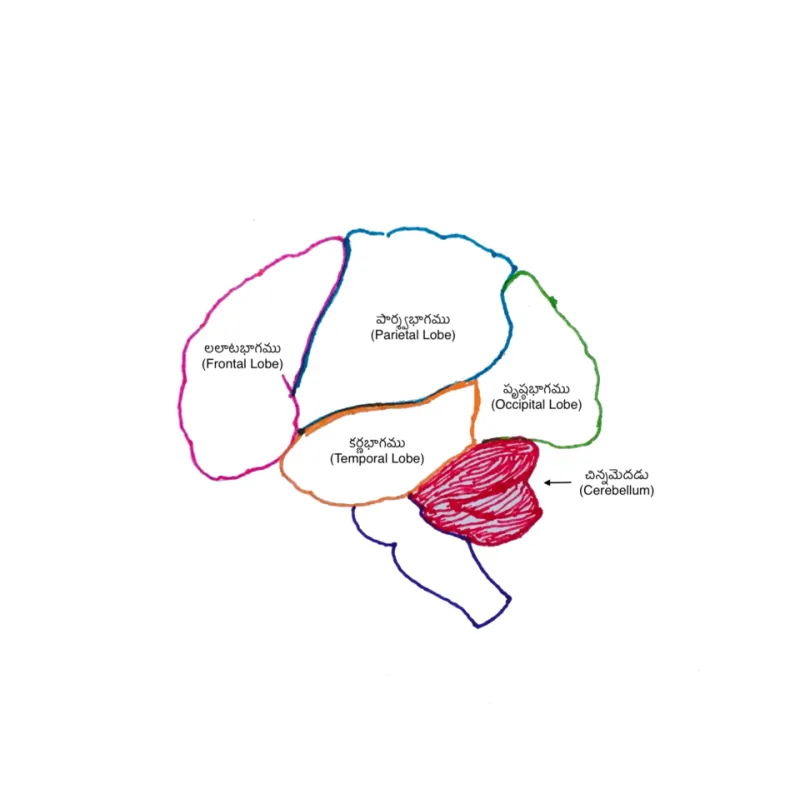
Photo: డా. గన్నవరపు నరసింహమూర్తి, CC0, via Wikimedia Commons
For decades, the pharmacological management of attention-deficit/hyperactivity disorder in adults has been anchored by Schedule II stimulants—primarily amphetamine salts and methylphenidate derivatives. These compounds carry robust efficacy data, but they also carry significant regulatory weight, a non-trivial abuse liability, and a tolerability profile that excludes meaningful segments of the adult patient population. Against this backdrop, modafinil has quietly accumulated a clinical dossier that challenges the assumption that traditional stimulants represent the only viable path for ADHD pharmacotherapy.
This is not a fringe position. Multiple randomized controlled trials, meta-analyses, and observational studies conducted over the past two decades have examined modafinil's utility in ADHD contexts, and the aggregate picture is nuanced, promising, and worthy of serious clinical attention.
The Mechanistic Argument: Why Modafinil Is Not Simply a Weaker Stimulant
A common clinical misconception frames modafinil as a mild stimulant—a Schedule IV compound that approximates the effects of amphetamines at a reduced intensity. This framing fundamentally misrepresents the pharmacology. While both drug classes elevate wakefulness and improve sustained attention, they do so through divergent mechanisms.
Amphetamines operate primarily by forcing monoamine release from presynaptic terminals and blocking reuptake, producing broad and potent catecholaminergic surges in the mesolimbic and mesocortical pathways. Modafinil, by contrast, exerts its primary action through selective inhibition of dopamine reuptake via the dopamine transporter (DAT), but at a substantially lower binding affinity and with a distinctly different downstream profile. It also modulates norepinephrine, histamine, orexin, and serotonin systems—a polyvalent mechanism that may more closely approximate the attentional deficits implicated in ADHD without the pronounced sympathomimetic activation characteristic of classical stimulants.
This mechanistic distinction carries direct clinical implications. The orexinergic component, in particular, is thought to contribute to modafinil's effects on executive function and cortical arousal without the dysphoric rebound or appetite suppression that many adult ADHD patients find intolerable with amphetamine-class drugs.
What the Clinical Trial Data Actually Shows
The most substantive early evidence came from a series of multicenter, placebo-controlled trials sponsored by Cephalon in the early 2000s, which evaluated modafinil in pediatric ADHD populations using a modified-release formulation. These studies demonstrated statistically significant improvements on the ADHD Rating Scale (ADHD-RS) and the Clinical Global Impressions scale. While the FDA ultimately declined to approve modafinil for pediatric ADHD—citing concerns about a rare serious skin reaction (Stevens-Johnson Syndrome) observed in a small number of trial participants—the efficacy signal was not disputed.
In adult populations, the evidence base is smaller but directionally consistent. A 2000 crossover trial published in the Journal of Clinical Psychiatry found that modafinil produced significant improvements in inattentive symptoms among adults with ADHD compared to placebo. Subsequent studies have corroborated these findings, with particular strength observed in domains of sustained attention, working memory, and cognitive flexibility—functions directly relevant to the executive dysfunction that characterizes adult ADHD.
A 2014 systematic review in PLOS ONE synthesizing available randomized trial data concluded that modafinil produced moderate effect sizes on core ADHD symptom domains, with a tolerability profile markedly superior to that of amphetamine-based comparators. Cardiovascular adverse effects, appetite suppression, and insomnia were reported at lower frequencies across modafinil arms.
The Off-Label Prescribing Landscape
Despite this evidence, modafinil holds no FDA-approved indication for ADHD in any age group in the United States. Its approved indications remain narcolepsy, shift work sleep disorder, and obstructive sleep apnea-related excessive sleepiness. This creates a well-defined regulatory gray area that clinicians navigate daily.
Off-label prescribing is, of course, both legal and common in American medical practice. The FDA explicitly permits physicians to prescribe approved medications for unapproved indications when clinical judgment supports the decision. In the ADHD context, several scenarios make modafinil a rational off-label choice:
- Patients with a documented history of stimulant misuse or substance use disorder, for whom Schedule II prescriptions introduce unacceptable risk
- Adults with cardiovascular contraindications to amphetamine-class drugs, including hypertension, tachyarrhythmias, or a history of cardiac events
- Individuals who have failed two or more first-line stimulant trials due to intolerable side effects rather than inadequate efficacy
- Patients with comorbid anxiety disorders, who frequently report exacerbation of anxiety symptoms on amphetamines but tolerate modafinil's more targeted arousal profile
Some psychiatrists and neurologists in major US academic centers have incorporated modafinil into adjunctive protocols—combining it with low-dose stimulants, non-stimulant agents such as atomoxetine, or behavioral interventions—to optimize symptom coverage while minimizing adverse burden.
Why Some Clinicians Prefer It: The Tolerability Argument
Beyond the mechanistic and trial-level evidence, the clinical preference for modafinil in certain patient subgroups often comes down to a straightforward quality-of-life calculus. Adult ADHD patients who discontinue stimulant treatment most frequently cite three reasons: rebound irritability, cardiovascular discomfort, and sleep disruption. Modafinil's pharmacokinetic profile—a half-life of approximately 12 to 15 hours with a relatively smooth plasma concentration curve—tends to produce less pronounced end-of-dose rebound compared to immediate-release amphetamine formulations.
Additionally, modafinil's Schedule IV classification reduces the administrative friction associated with prescribing. Unlike Schedule II compounds, it does not require paper prescriptions in most states and can be called into pharmacies electronically, a practical advantage that improves adherence and reduces treatment gaps.
Remaining Limitations and the Path Forward
A candid clinical review demands acknowledgment of modafinil's limitations in the ADHD context. The evidence base for adults, while encouraging, remains thinner than that supporting amphetamine-class drugs. Long-term efficacy and safety data in ADHD populations specifically are limited. The FDA's pediatric non-approval decision—though driven primarily by the skin reaction signal rather than efficacy concerns—has contributed to institutional reluctance that persists in many clinical settings.
Prescribers considering modafinil for adult ADHD should conduct a thorough risk-benefit assessment, document the clinical rationale clearly in the patient record, and remain attentive to the possibility of rare but serious dermatological reactions, which warrant immediate discontinuation.
Nonetheless, as the field of ADHD pharmacotherapy continues to evolve—driven by growing recognition of adult ADHD's prevalence and the limitations of existing treatment options—modafinil's profile warrants a more prominent place in the clinical conversation than it currently occupies. The evidence does not yet support displacing first-line stimulants across the board, but it does support a more individualized, evidence-driven approach in which modafinil is considered early rather than as a last resort.