Modafinil Beyond the Blood-Brain Barrier: Systemic Immune, Inflammatory, and Metabolic Considerations for Long-Term Users
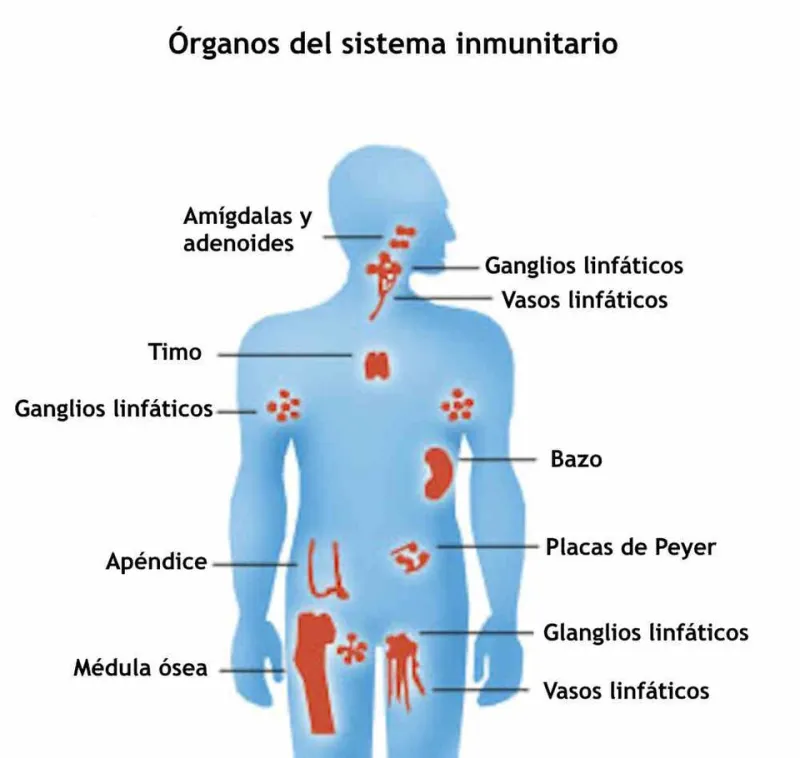
Photo: AIDS.gov, CC BY 4.0, via Wikimedia Commons
In clinical discourse, modafinil is almost exclusively framed as a neurological agent — a promoter of wakefulness, a sharpener of executive function, a tool for shift workers and narcolepsy patients. That framing is not wrong, but it is incomplete. A growing body of preclinical research and an emerging set of clinical observations suggest that modafinil's pharmacological reach extends considerably beyond the central nervous system. For physicians managing patients on long-term modafinil therapy — and for informed patients making decisions about sustained use — understanding the drug's systemic footprint is no longer optional.
The Immunomodulatory Signal: What Animal and In Vitro Research Reveals
The earliest evidence that modafinil touches immune function came from animal models, where researchers noted that the drug altered the activity of natural killer (NK) cells and modified cytokine secretion patterns under conditions of sleep deprivation. Sleep loss is itself a potent immune disruptor, elevating pro-inflammatory markers such as interleukin-6 (IL-6) and tumor necrosis factor-alpha (TNF-α). The question researchers began asking was whether modafinil's ability to counteract sleep deprivation's cognitive consequences extended to its immune consequences — or whether the drug introduced independent immunological variables of its own.
In vitro studies have demonstrated that modafinil can suppress the proliferation of certain lymphocyte populations and attenuate macrophage activation under experimental conditions. Whether these findings translate meaningfully to therapeutic doses in humans remains an area of active investigation. However, the mechanistic plausibility is grounded in the drug's known interactions with the dopaminergic and adrenergic systems, both of which maintain well-established bidirectional communication with immune signaling pathways.
Cytokine Dynamics and Inflammatory Markers in Human Data
Human evidence is sparser but not absent. Several studies examining modafinil in the context of narcolepsy — a condition now understood to involve autoimmune destruction of hypocretin-producing neurons — have noted shifts in inflammatory biomarkers among treated patients. Some researchers have observed modest reductions in circulating IL-6 and C-reactive protein (CRP) in patients receiving modafinil, though disentangling drug effects from improvements in sleep quality and daytime functioning presents a significant confound.
A 2019 study published in a peer-reviewed sleep medicine journal reported that modafinil-treated narcolepsy patients showed attenuated morning cortisol spikes compared to untreated controls, a finding with downstream implications for immune regulation given cortisol's role as a primary immunosuppressive hormone. While the clinical magnitude of this effect was modest, it illustrates that modafinil's systemic reach includes neuroendocrine-immune interfaces that have not been adequately characterized in long-term safety evaluations.
Clinicians should also be aware that modafinil has been associated with rare but serious hypersensitivity reactions — including Stevens-Johnson syndrome and drug reaction with eosinophilia and systemic symptoms (DRESS) — which are fundamentally immune-mediated events. The FDA's prescribing label carries explicit warnings on this front. These reactions, though uncommon, underscore that modafinil is not immunologically inert.
Autoimmune Conditions: A Population That Warrants Particular Scrutiny
For patients managing autoimmune disorders — including multiple sclerosis, lupus, rheumatoid arthritis, and inflammatory bowel disease — the question of modafinil's immunological effects takes on heightened clinical relevance. Fatigue is among the most debilitating and treatment-resistant symptoms across autoimmune conditions, and modafinil has been studied as a symptomatic intervention in several of these populations, most notably in multiple sclerosis.
Trials in MS patients have generally shown favorable short-term tolerability profiles, but long-term immunological monitoring has rarely been a study endpoint. Given that these individuals are frequently co-administered immunomodulatory disease-modifying therapies, the potential for pharmacodynamic interactions at the immune level remains undercharacterized. Rheumatologists and neurologists co-managing such patients should approach modafinil prescribing with awareness that the drug's immune-relevant effects have not been systematically evaluated in the context of concurrent biologics or immunosuppressants.
Metabolic Effects: Appetite, Weight, and Downstream Implications
Modafinil's appetite-suppressing properties are well-documented and, in some cases, intentionally exploited. The drug reduces caloric intake in a meaningful subset of users, an effect mediated at least partly through orexin and histamine pathway engagement. While modest weight reduction may be clinically advantageous for certain patients, sustained caloric restriction driven by pharmacological appetite suppression carries metabolic consequences that deserve monitoring in long-term users.
Reduced food intake affects micronutrient availability, which in turn influences immune competence. Zinc, selenium, and vitamin D — all of which are critical regulators of immune function — can become suboptimal in individuals whose dietary intake is chronically suppressed. This is not a theoretical concern exclusive to modafinil; it applies to any anorexigenic agent. However, it represents a systemic effect that clinicians rarely discuss during modafinil prescribing conversations.
Metabolic panel monitoring, including nutritional markers, may be warranted for patients on long-term modafinil therapy who report significant appetite changes, particularly those who are elderly, already nutritionally compromised, or managing chronic disease.
Aging, Chronic Inflammation, and the Long-Term Use Question
The concept of "inflammaging" — the low-grade, chronic inflammatory state that accelerates biological aging — is increasingly central to preventive medicine in the United States. For individuals using modafinil over years or decades, the question of whether the drug meaningfully modifies inflammatory trajectories is clinically important and currently unanswered.
Some researchers have speculated that modafinil's sleep-preserving effects in shift workers and sleep-disordered populations could, over time, attenuate the chronic inflammatory burden associated with circadian disruption and sleep fragmentation. This is a plausible hypothesis. Chronic sleep deprivation is a well-established driver of elevated IL-6, TNF-α, and CRP — markers linked to cardiovascular disease, metabolic syndrome, and neurodegenerative conditions. If modafinil effectively restores functional wakefulness and reduces the physiological stress of sleep deprivation, it may indirectly confer anti-inflammatory benefit.
Conversely, if the drug introduces independent immune perturbations — as some preclinical data suggest — long-term net effects could be neutral or, in specific populations, unfavorable. The honest clinical answer is that we do not yet have the longitudinal human data to resolve this question definitively.
Clinical Takeaways for Prescribers and Patients
Several practical considerations emerge from the available evidence:
- Baseline and periodic monitoring of inflammatory markers (CRP, ESR) and basic metabolic panels is reasonable for patients on long-term modafinil therapy, particularly those with pre-existing immune or metabolic conditions.
- Autoimmune populations using modafinil for fatigue management should be monitored for any changes in disease activity that correlate temporally with drug initiation or dose adjustment.
- Nutritional assessment is appropriate for long-term users reporting sustained appetite suppression, with supplementation considered where deficiencies are identified.
- Hypersensitivity vigilance remains essential; any rash, mucosal involvement, or systemic symptoms within the first three months of therapy should prompt immediate evaluation and likely discontinuation.
- The absence of long-term safety data on modafinil's immune and inflammatory effects is itself clinically meaningful information — it argues for the lowest effective dose and periodic reassessment of continued necessity.
Modafinil remains a well-tolerated and pharmacologically sophisticated agent. But sophistication in one domain — wakefulness promotion — does not preclude complexity in others. As prescribing patterns expand and off-label use continues to grow across the United States, the clinical community has an obligation to characterize the full systemic profile of this drug with the same rigor applied to its cognitive effects. The brain, after all, does not operate in isolation from the body that sustains it.